Rail Accessorial Expertise Built Around Your Industry
Where Railroad Operations Meet Your Bottom Line
Every commodity has its own production cycles, storage requirements, unloading processes, railcar demands, and operational constraints. Those differences can significantly affect railroad service performance and accessorial exposure.
RAMCON's experience spans a broad range of rail-served industries, with particular expertise in markets where operational complexity can create significant charge exposure.
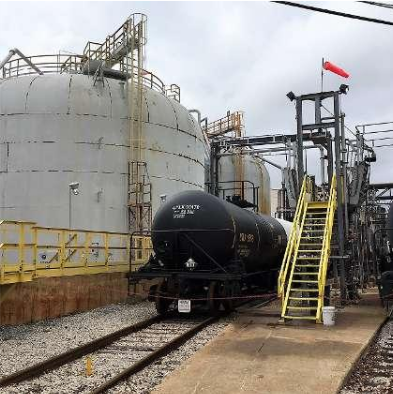
CHEMICAL
Rail-served chemical operations often rely on privately owned railcar fleets and involve complex production schedules, stringent unloading requirements, storage limitations, and time-sensitive railcar movements. RAMCON evaluates how these operational factors, along with railroad service performance, contribute to accessorial exposure—most often storage charges that arise when private railcars remain on railroad property while the customer works to create capacity by unloading prior shipments.
Examples: Caustic soda • Chlorine • Sulfuric acid • Hydrochloric acid • Solvents • Polymers
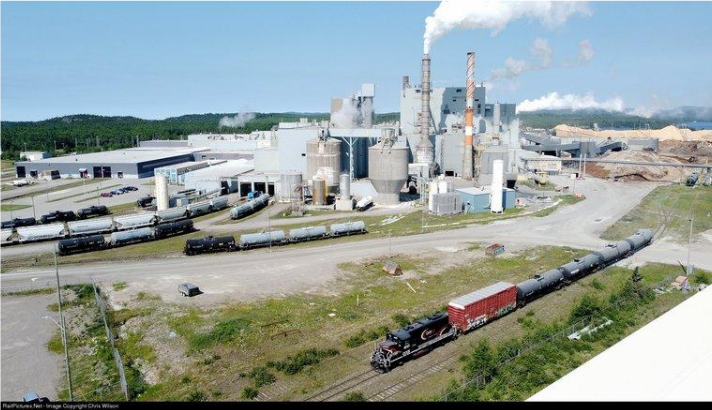
Paper & Pulp
Rail-served paper and pulp operations often rely on consistent inbound and outbound rail service to support continuous production, manage inventory, and keep critical raw materials moving. These facilities can involve complex production schedules, limited storage capacity, specialized unloading requirements, and multiple rail-served commodity streams. RAMCON evaluates how customer operations, pipeline management, and railroad service performance contribute to accessorial exposure.
Examples: Wood pulp • Paper • Paperboard • Caustic soda • Sodium chlorate • Sulfur • Clay/Kaolin
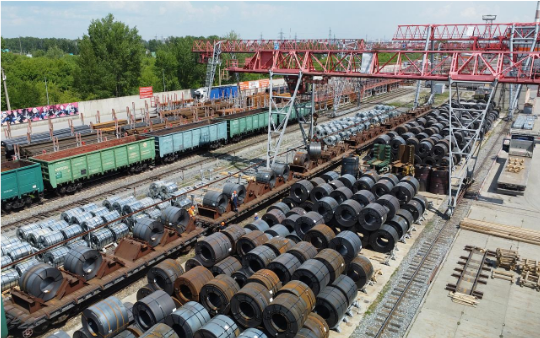
Steel & Metals
Rail-served steel and metals operations often depend on the timely movement and handling of high-volume raw materials and finished products. These facilities can involve demanding production schedules, specialized railcars, heavy material handling requirements, storage constraints, and complex loading and unloading operations. RAMCON evaluates how customer operations, pipeline management, and railroad service performance contribute to accessorial exposure.
Examples: Steel coils • Iron ore • Scrap steel • Aluminum • Coke • Limestone soda • Chlorine • Sulfuric acid • Hydrochloric acid • Solvents • Polymers
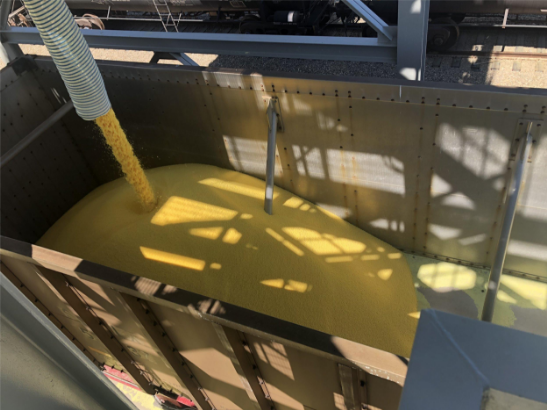
Plastics & Resins
Rail-served plastics and resin operations rely on consistent railcar flow to support production schedules, inventory requirements, and customer demand. These facilities often involve high-volume railcar movements, specialized unloading systems, limited storage capacity, and precise coordination between rail service and plant operations. RAMCON evaluates how customer operations, pipeline management, and railroad service performance contribute to accessorial exposure.
Examples: Polyethylene • Polypropylene • PVC • Plastic pellets • Synthetic resins
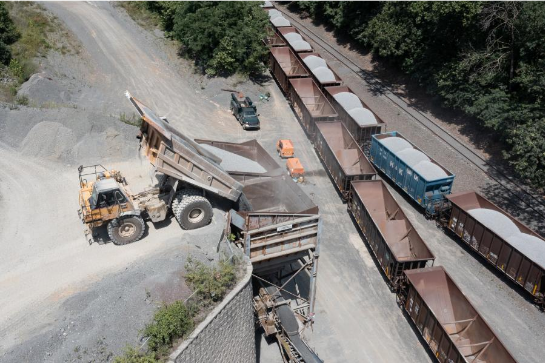
Cement & Construction
Rail-served cement and construction-material operations depend on reliable rail service to move large volumes of raw materials and finished products. These facilities often involve high-volume railcar movements, specialized unloading systems, storage limitations, and demanding production and delivery schedules. RAMCON evaluates how customer operations, pipeline management, and railroad service performance contribute to accessorial exposure.
Examples: Cement • Limestone • Gypsum • Sand • Aggregates • Fly ash
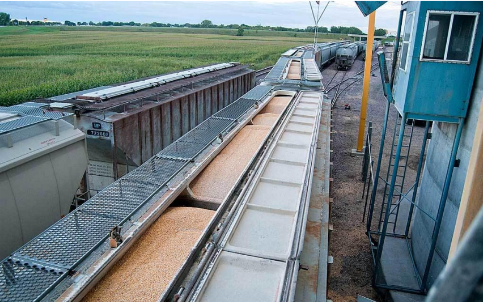
Grain & Agriculture
Rail-served grain and agricultural operations depend on the efficient movement of high-volume commodities between producers, storage facilities, processing plants, and end markets. These operations are often highly seasonal and may receive shipments in unit-train quantities as well as individual railcars, creating unique challenges around railcar flow, storage capacity, unloading, and pipeline management. RAMCON evaluates how customer operations, pipeline management, and railroad service performance contribute to accessorial exposure.
Examples: Corn • Wheat • Soybeans • Barley • Fertilizer • Potash
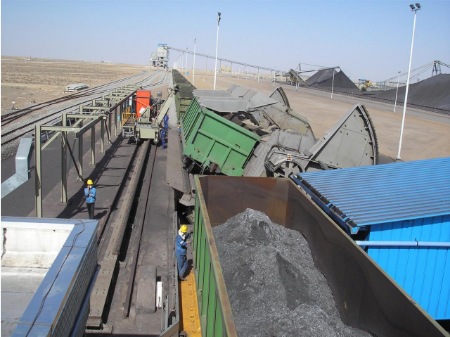
Mining & Minerals
Rail-served mining and mineral operations often depend on the efficient movement of high-volume raw materials between mines, processing facilities, storage locations, and end markets. These operations can involve significant railcar volumes, specialized loading and unloading systems, storage limitations, and demanding production schedules. RAMCON evaluates how customer operations, pipeline management, and railroad service performance contribute to accessorial exposure.
Examples: Iron ore • Copper concentrates • Phosphate • Potash • Salt • Sulfur